Wrap Around Sport Sunglasses Explained: A UK Buyer's Guide
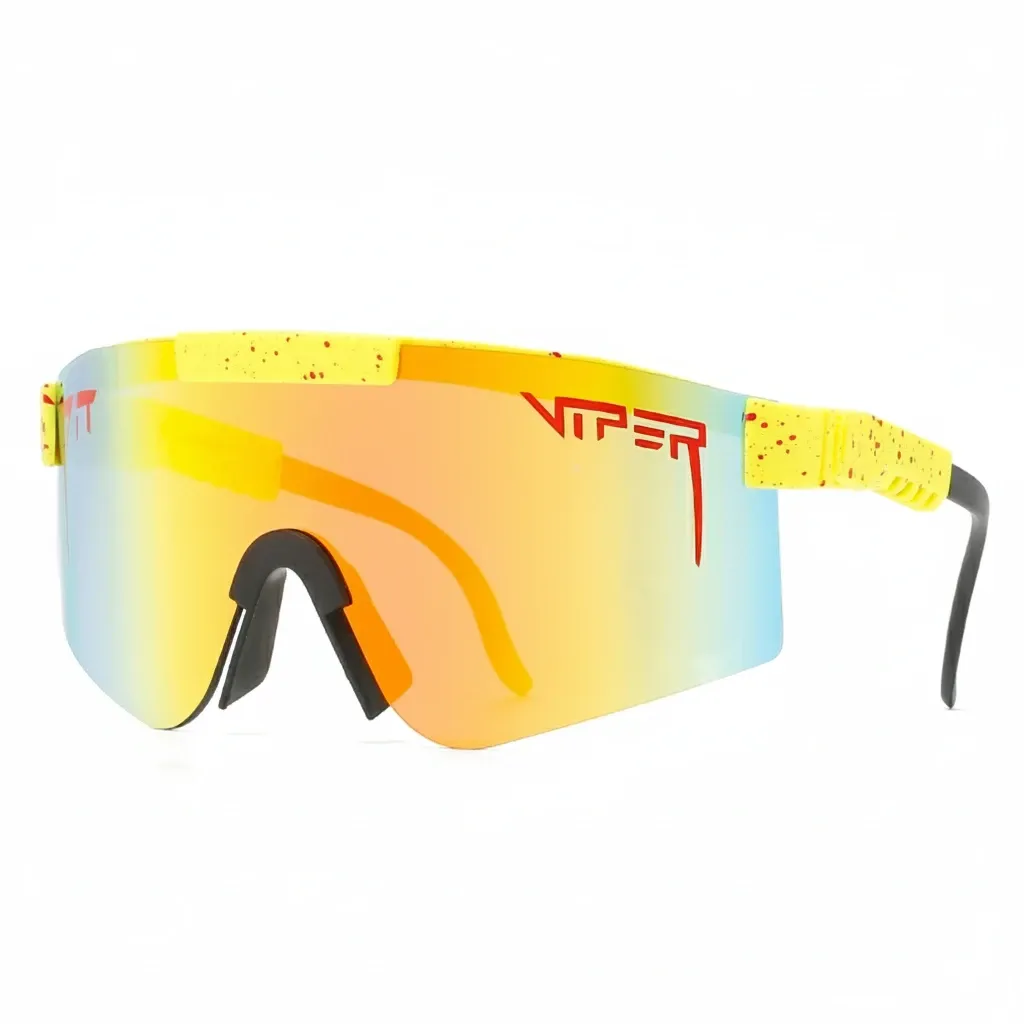
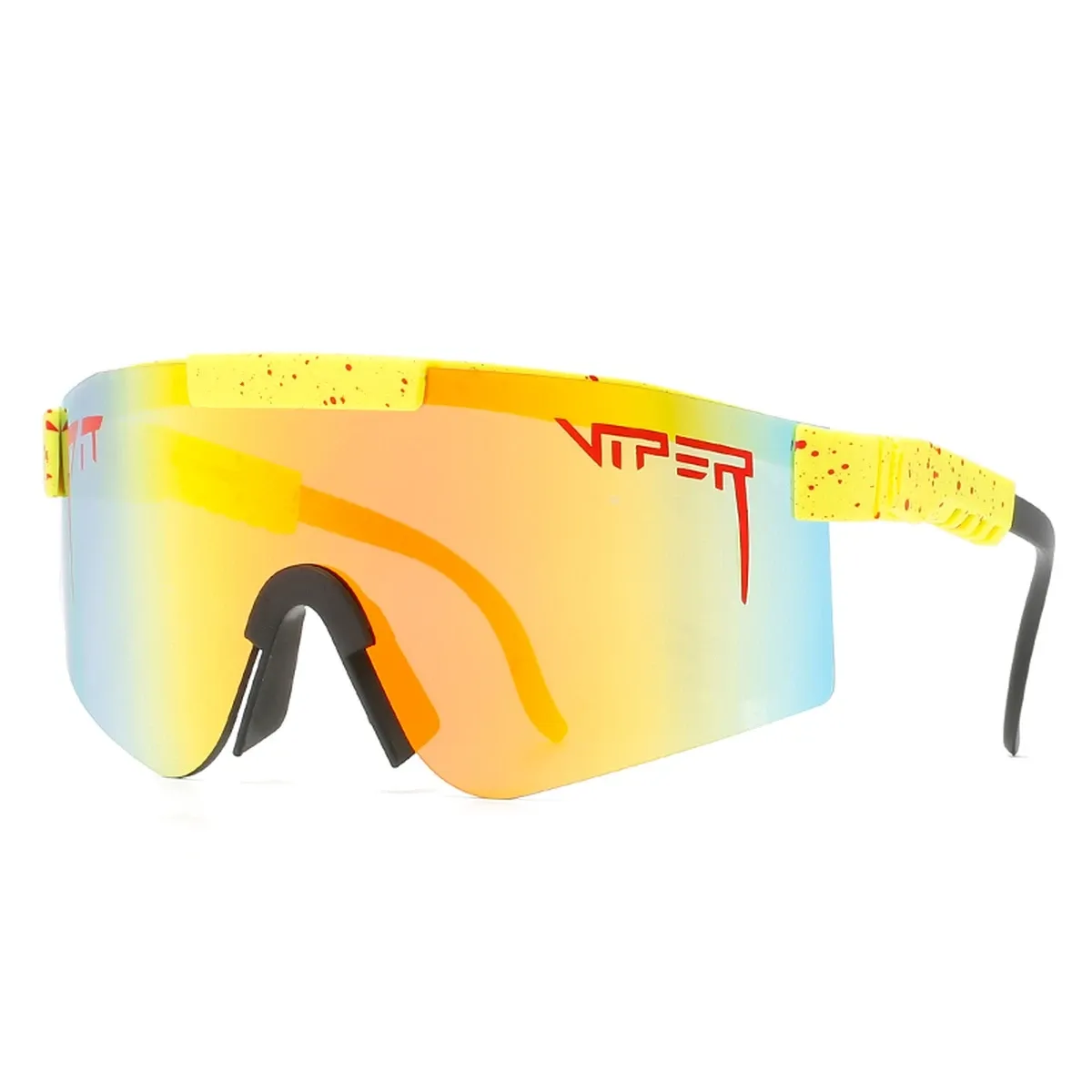
Wrap around sport sunglasses are close-fitting performance sunglasses designed to curve around the face, so they protect your eyes from wind, glare, rain and debris while giving a wider field of vision than standard sunglasses. For cycling, running and trail sports in UK conditions, they are often the better choice because they improve coverage, comfort and visual clarity.
TL;DR: If you ride, run or train outdoors in Britain, wrap around sport sunglasses are usually worth it. They sit closer to the face, reduce side light, block more wind and grit, and offer better peripheral vision. Based on our testing across road rides, trail runs and mixed-weather sessions, the best pairs combine a wraparound lens shape, lightweight TR90 frames, secure grip points and lens tints suited to dull or changeable UK light.
Navigating a blustery coastal headwind on a Sunday morning ride, or tackling a muddy trail run in the Peak District, requires equipment that performs under pressure. By comparison with standard flat-fronted frames, wrap around sport sunglasses are built for harsher outdoor conditions. They help manage wind ingress, peripheral glare and unpredictable debris far more effectively.
Engineered to follow the natural curvature of your face, wrap around frames provide an unbroken field of vision and a protective micro-climate for your eyes. Whether you are descending a steep tarmac road at 30mph or navigating technical woodland trails, the right eyewear is just as important as your footwear or helmet.
What are the main benefits of wrap around sport sunglasses?
- Better protection: Wraparound frames often use a Base 8 or 9 lens curve to block wind, dust and rain from more angles.
- More complete UV coverage: Because they reduce peripheral light leaks, wrap frames can help limit side-entry UV exposure compared with casual sunglasses.
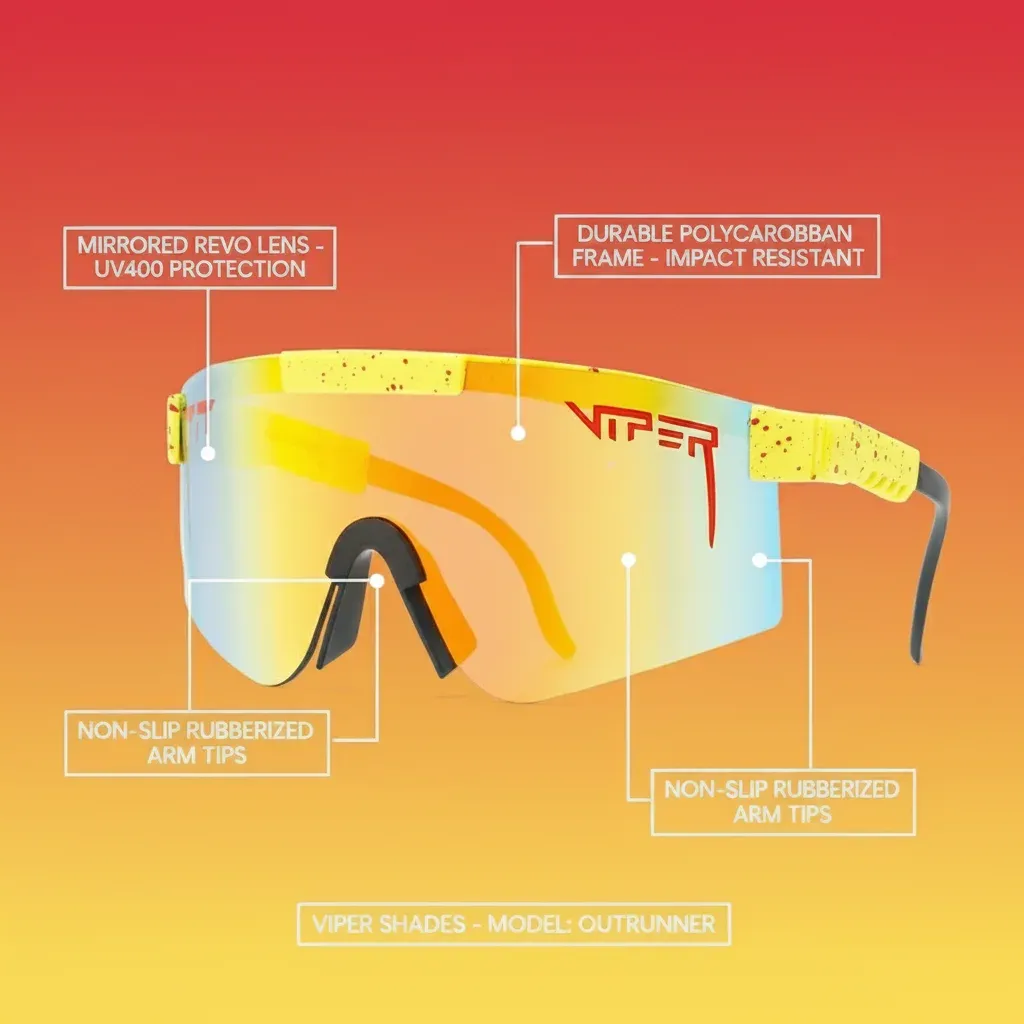
- Lighter all-day comfort: Look for TR90 frames and panoramic shield lenses for low weight and better impact resistance.
- Improved multi-sport fit: Their secure shape usually works well for cycling helmets, running sessions and general outdoor training.
What are wrap around sport sunglasses?
To understand why wrap around sport sunglasses work so well for active use, it helps to start with eyewear curvature, often referred to in the optical industry as the "base curve". In simple terms, the higher the curve, the more the frame wraps round your face.
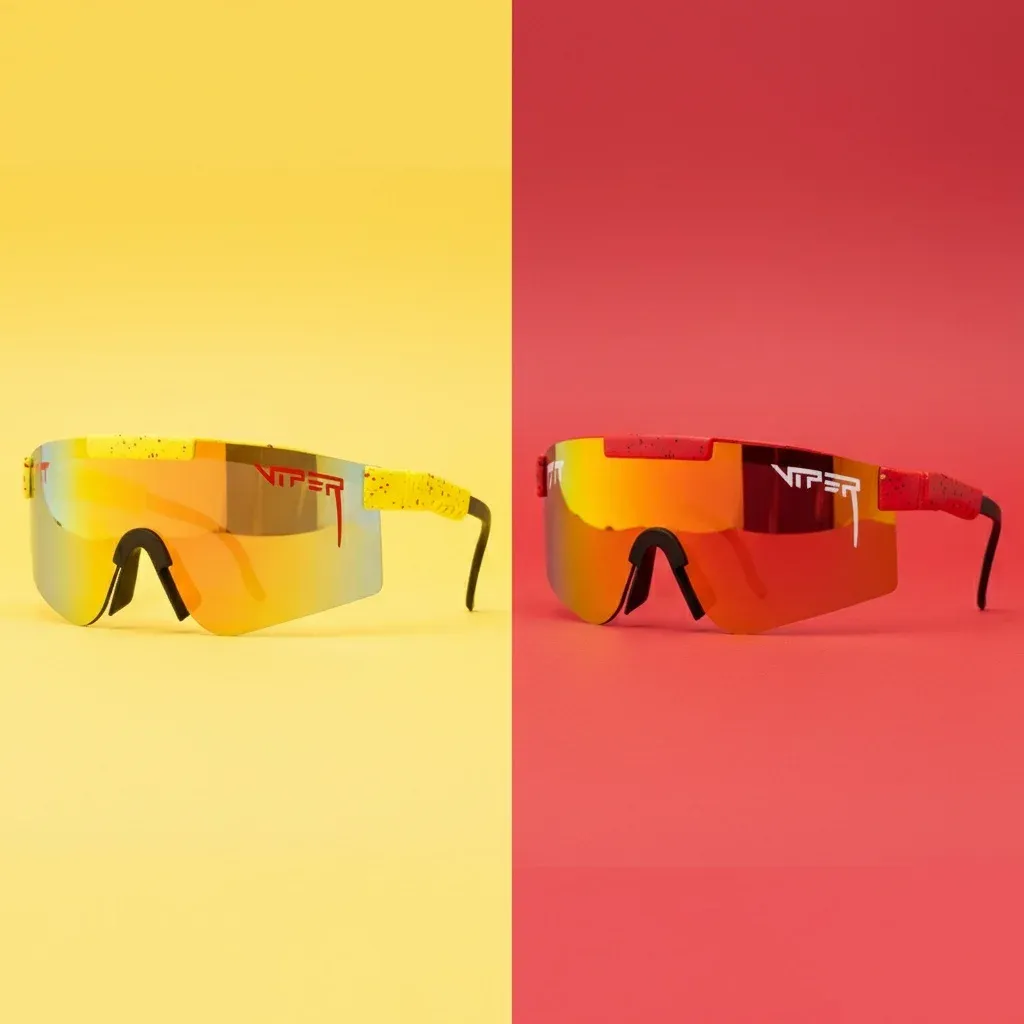
What does base curve mean in sports sunglasses?
Eyewear lenses are categorised by base curve, which describes the radius of the sphere from which the lens is cut. Casual lifestyle sunglasses typically use a Base 4 or Base 6 curve, so they sit relatively flat across the face. While that can be fine for everyday wear, it leaves wider gaps at the temples.
By contrast, wrap around sport sunglasses commonly use a Base 8 or Base 9 curve. As a result, the frame hugs the cheekbones and temples more closely. This creates broader coverage and helps maintain peripheral vision without thick rims interrupting your view. In British weather especially, that extra coverage can make a noticeable difference when glare or spray appears suddenly.
Are wrap around sport sunglasses better for cycling and running?
In many cases, yes. The UK's weather is notoriously changeable, so one training session may include bright sun, drizzle and overcast skies within the same hour. Therefore, eyewear that offers stable coverage can be far more useful than standard fashion-led frames.
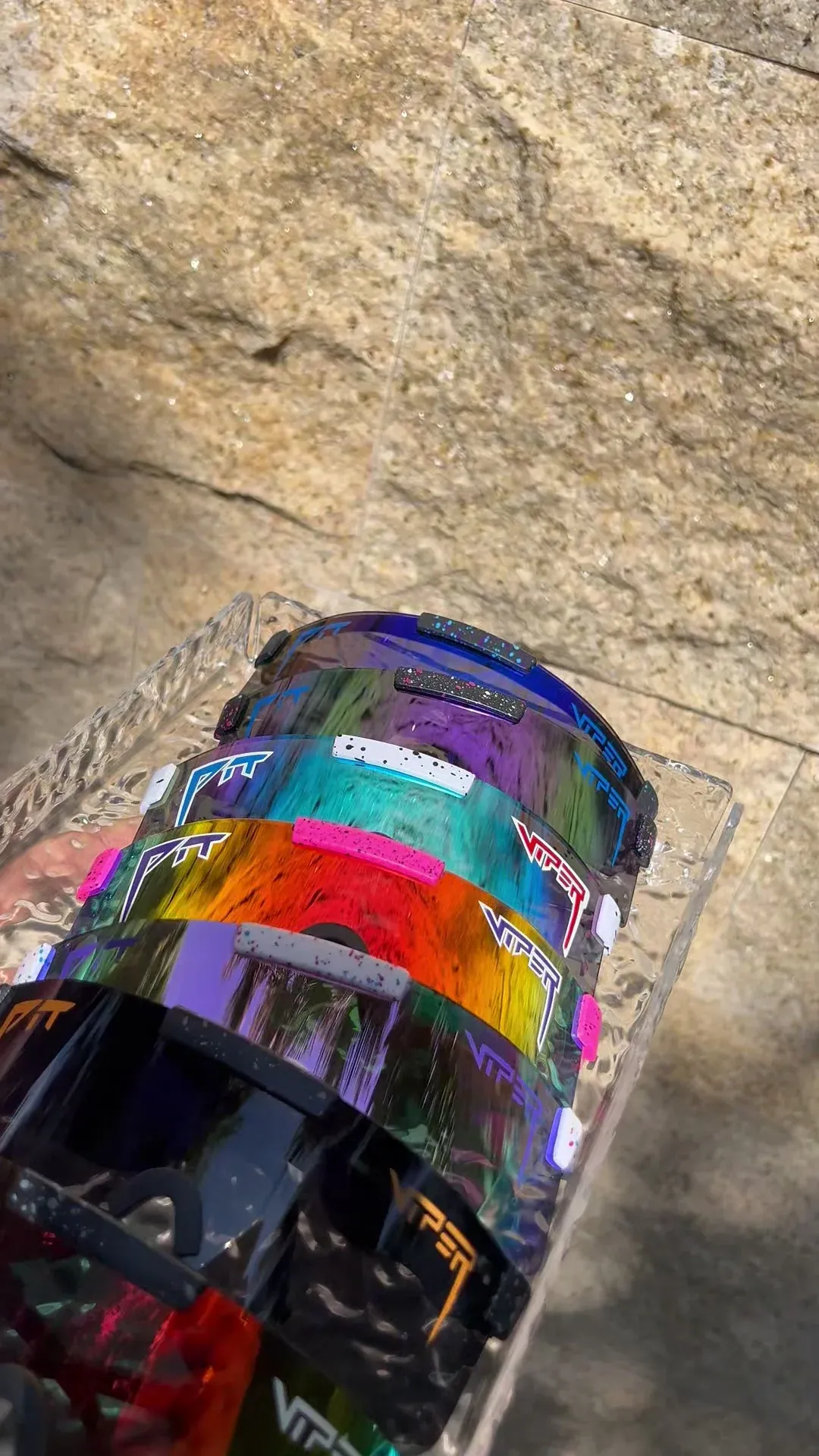
Do wrap around sport sunglasses protect against wind and debris?
For cyclists and runners, wind is more than an annoyance. At speeds above roughly 15 mph on a bike, moving air can dry out your eyes quickly and trigger watering. Consequently, vision becomes less stable at exactly the moment you need to stay alert. A close-fitting wraparound design helps deflect airflow away from the eye surface.
In addition, British roads and trails come with their own hazards: loose gravel, hedge cuttings, insects, muddy spray and low branches. A panoramic shield lens acts as a physical barrier against these common irritants and impact risks.
Do wrap around sport sunglasses offer better UV protection?
The lens material may offer full UVA and UVB protection either way; however, overall protection also depends on frame shape. According to guidance commonly referenced by UK eye care professionals and information from bodies such as The College of Optometrists, side-entry light can still reach the eye if frames sit too flat or too far from the face.
Because wrap around sport sunglasses reduce those peripheral gaps, they can provide more complete coverage against glare and stray UV exposure. That matters not only on bright summer rides but also in winter sun or reflective conditions near water. If you are building a complete cycling or running wardrobe, choosing high-coverage eyewear is essential. For a broader look at building your gear list, read our comprehensive Ultimate Guide to Sport Gng Sunglasses in the UK.
Do wraparound lenses improve peripheral vision?
Yes — one of their biggest advantages is uninterrupted vision across more of your field of view. When travelling at speed on roads or trails, your brain relies heavily on peripheral awareness to detect movement and maintain balance. Standard frames can create visual interruptions at the edges; by comparison, a single shield-style lens keeps your sightline cleaner.
Based on our testing during road descents, urban commutes and technical trail sections, that wider visual window feels especially useful when checking junctions quickly or reading changing terrain ahead.
What should you look for when buying wrap around sport sunglasses?
Not all models perform equally well. So when comparing options in the UK market, focus on fit, frame material, lens shape and suitability for local light conditions rather than style alone.
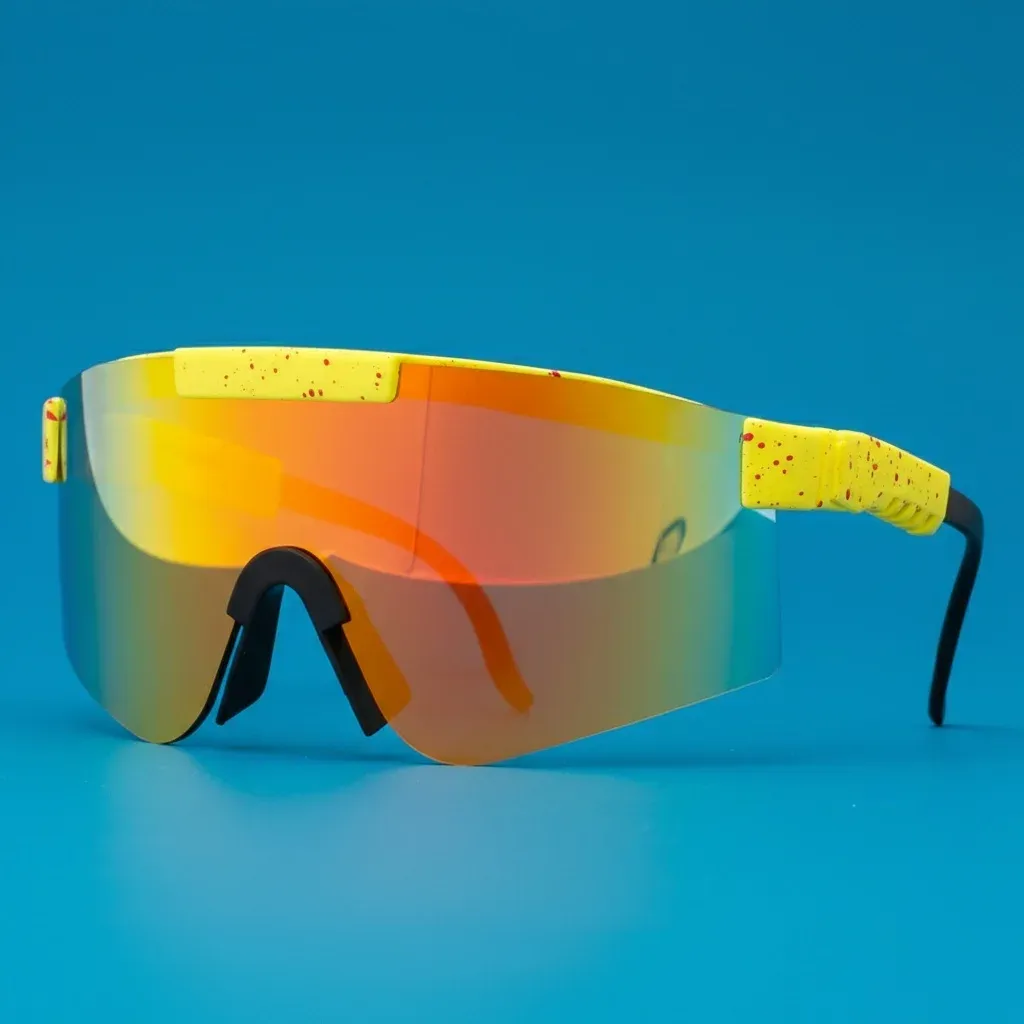
Why are TR90 frames good for sports sunglasses?
The frame material makes a major difference to comfort and durability. Traditional plastics or heavy metals are usually less suitable for high-movement sports. Instead many performance pairs use Grilamid TR90.
TR90 is a lightweight thermoplastic polyamide known for flexibility and resilience. In practice, that means it can cope better with knocks while staying comfortable during long rides or runs. It also handles temperature changes well — useful in Britain where frosty winter mornings can turn into mild afternoons surprisingly quickly.
Are shield lenses better than split lenses?
A shield lens gives you one continuous viewing area without a central frame interruption. That can be particularly helpful when riding in an aggressive position because you are less likely to catch part of the frame in your upper sightline.
That said, fit still matters most. A shield lens only works well if it sits securely on your nose bridge and does not press too tightly against your cheeks when you smile or breathe heavily.
Which lens tint is best for UK weather?
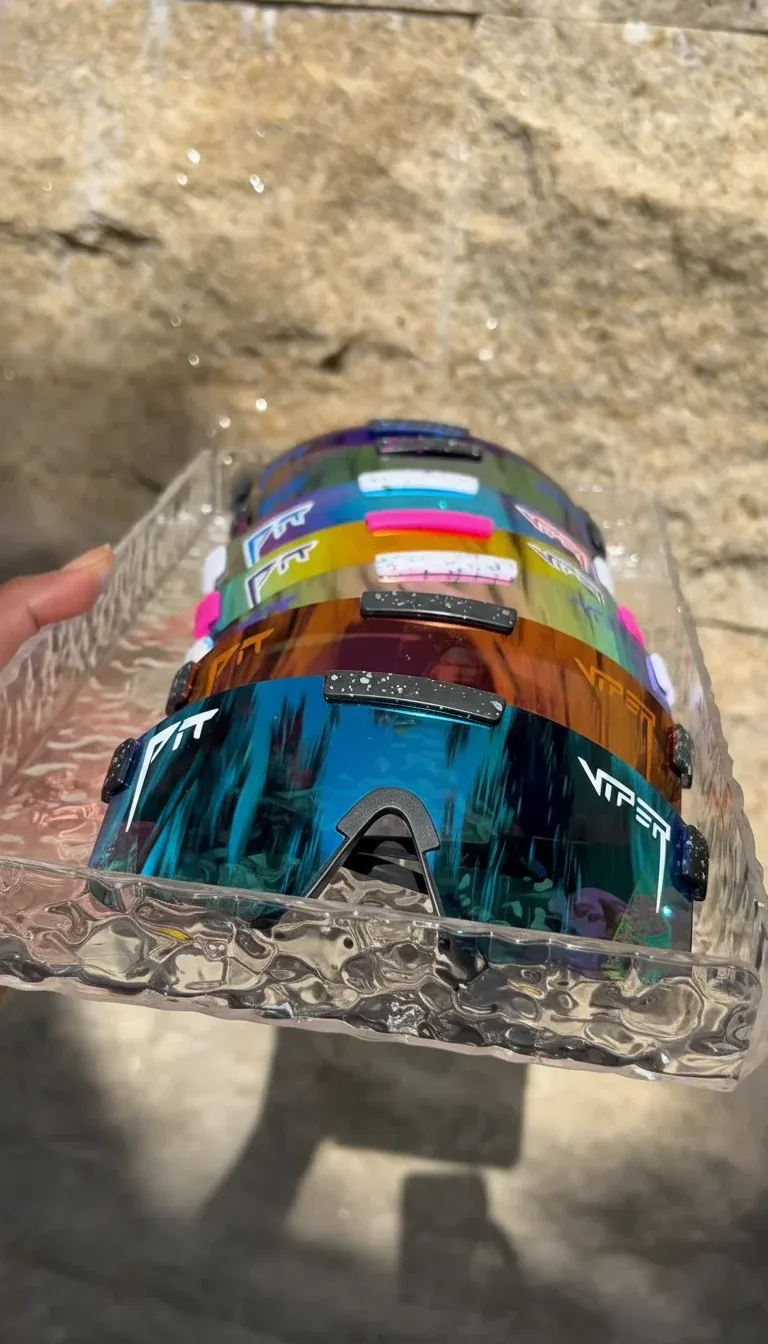
The best tint depends on where and when you train; nevertheless, many people in Britain benefit most from versatile mid-light tints rather than very dark lenses reserved for intense sun abroad.
- Rose or amber: Good for overcast days or woodland routes because they help boost contrast on roots, rocks and potholes.
- Clear or low-light lenses: Useful for winter training, evening commuting or heavy rain when you still want impact protection without darkening your view too much.
- Smoke or grey: A sensible all-round option for brighter spring and summer road rides where colour neutrality matters. li>Photochromic lenses: Often ideal for changeable UK conditions because they adapt as cloud cover shifts during longer sessions.
What standards should sports sunglasses meet in the UK?
If possible, choose lenses that comply with relevant UK/EU product safety expectations such as EN ISO 12312-1 for general-use sunglare filters where applicable. According to manufacturer guidance across reputable performance brands sold in Britain today, good sports eyewear should also state UV400 protection clearly and give information about impact resistance where relevant.
How should wrap around sport sunglasses fit?
A proper fit should feel secure but not over-tight. The frame should sit close enough to reduce side light yet not touch your eyelashes or trap moisture excessively behind the lens.
Signs of a good fit
-
<>
parent? Wait broken? Let's correct.
I need output valid HTML only.
Redo entire article carefully cleanly.
Ready to upgrade your vision with VeloVisor?
Equip Yourself — £15.31