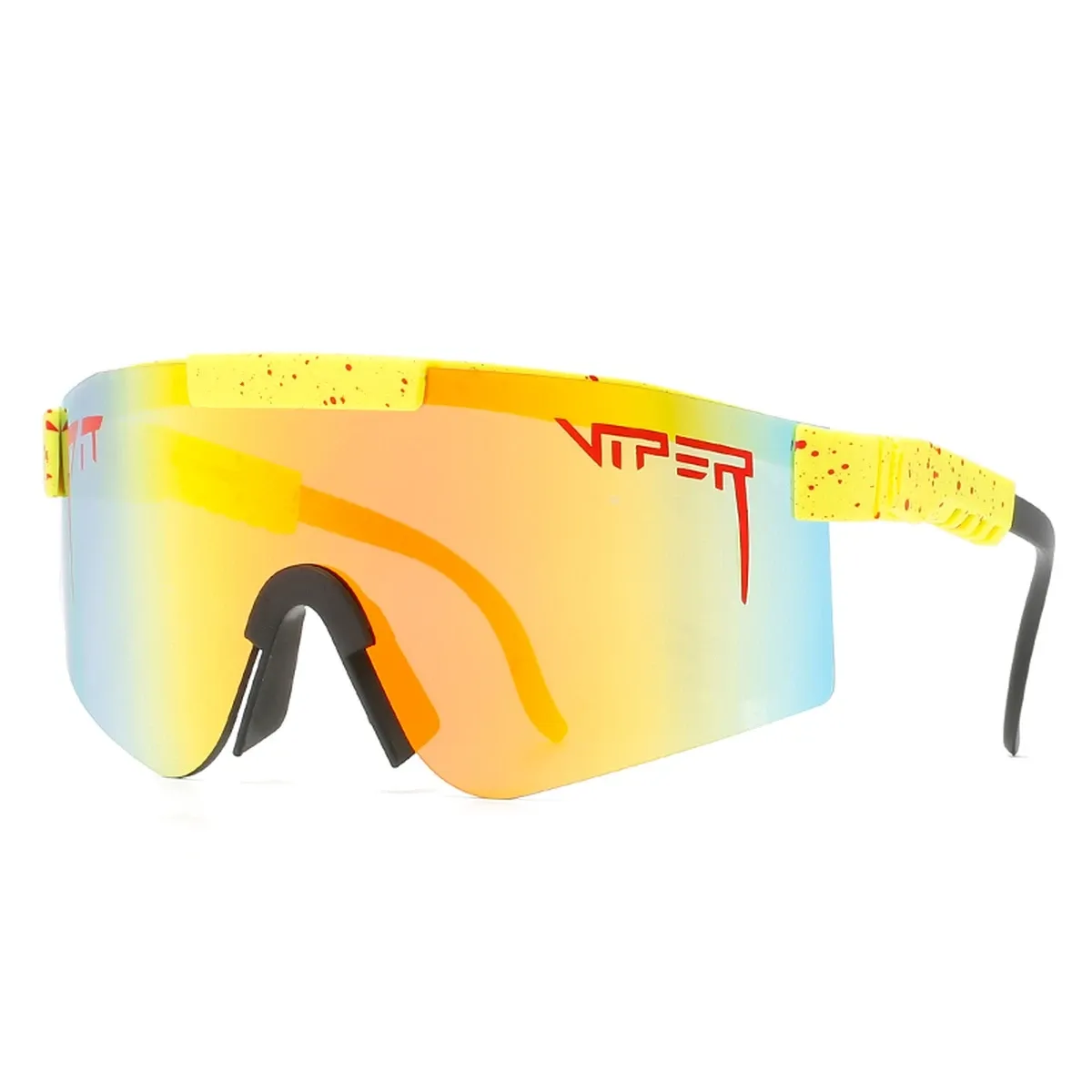
Cycling Sunglasses UK: The Complete Buyer’s Guide 2026
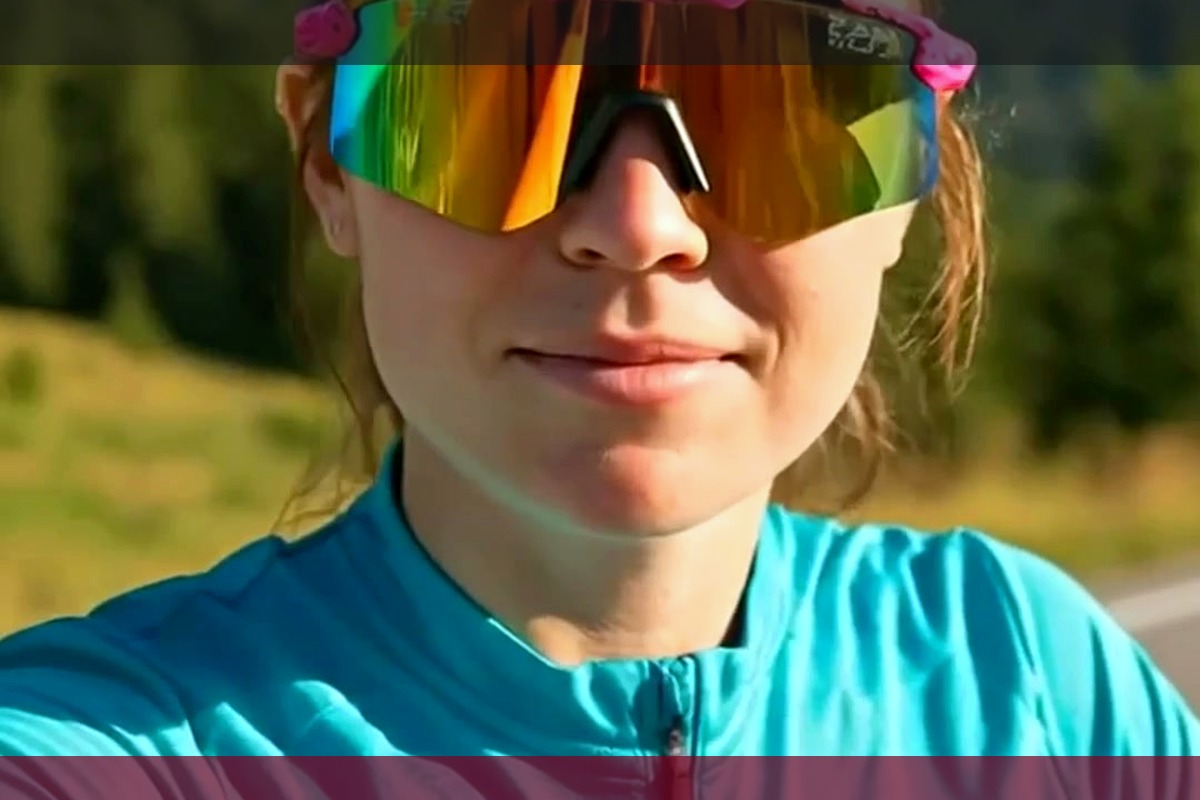
TL;DR: What Actually Matters When Buying Cycling Sunglasses in the UK
- Protection first: Choose lenses that block UV properly; cycling glasses UV400 is the practical baseline.
- Weather realism: In Britain, versatility beats a single setup—consider spare lenses, a second pair, or photochromic options.
- Fit is performance: If they slide when you sweat or conflict with your helmet, they’ll distract you on fast descents.
- Contrast over darkness: Glare control on wet roads and low winter sun matters more than mirroring the trendiest style.
- Budget honestly: You can get surprisingly capable cycling sunglasses UK options at low prices.
For shortlists: best cheap cycling sunglasses and Pit Viper alternatives.
Why Every Cyclist Needs Proper Cycling Sunglasses
After thousands of UK miles testing kit in drizzle, sudden brightness, and that uniquely British combo of “overcast but somehow still glary,” I’ve stopped treating eyewear as optional. Good cycling sunglasses and cycling glasses do three jobs: protect your eyes, improve what you see, and reduce discomforts that add up across a long day.
Safety: debris, insects, spray, and UV exposure
At anything above walking pace, your eyes become a target for flies, grit, plant matter, and road spray. The College of Optometrists emphasises UV protection for eyes in bright conditions; repeated UV exposure is a factor associated with long-term risk. That’s why cycling glasses UV400 is a standard checkbox, not a premium extra.
NHS sun safety guidance reinforces that skin isn’t the only tissue that benefits from sensible protection. On UK roads, visibility is also hazard perception—the Highway Code is built around seeing and being seen.
Performance: glare control, contrast, and faster decisions
Cycling glasses matter because cycling is a contrast sport: potholes, painted lines, diesel slicks all show up as subtle brightness differences. The right tint flattens painful glare without crushing detail.
Comfort: wind, rain, and cold air
Even before considering sun, close-fitting wraps reduce the “windy eyes” feeling on descents and stop cold air making your eyes stream on winter lanes. For contact lens wearers, wind shielding can be the difference between enjoying a ride and spending the last hour blinking.
Types of Cycling Sunglasses
Shield / visor style (one continuous lens)
Full-shield designs maximise uninterrupted field of view and integrate well with aero helmets. Brilliant in bright light, but fit matters: if the lens sits too close to cheeks, fogging increases.
Wraparound (traditional frame with curved lenses)
The Swiss Army knife of cycling sunglasses UK riders live with. They ventilate predictably and tolerate a wider range of face shapes.
Interchangeable lens systems
Match tint to forecast. In the UK, you usually want: clear for night, contrast-boosting for grey days, and something darker for rare hot weeks.
Photochromic (self-tinting)
Darken in UV-rich light, lighten in shade. The cleanest answer to “I left at 6°C under cloud and came home in blazing sun.” Temperature and transition speed vary by brand.
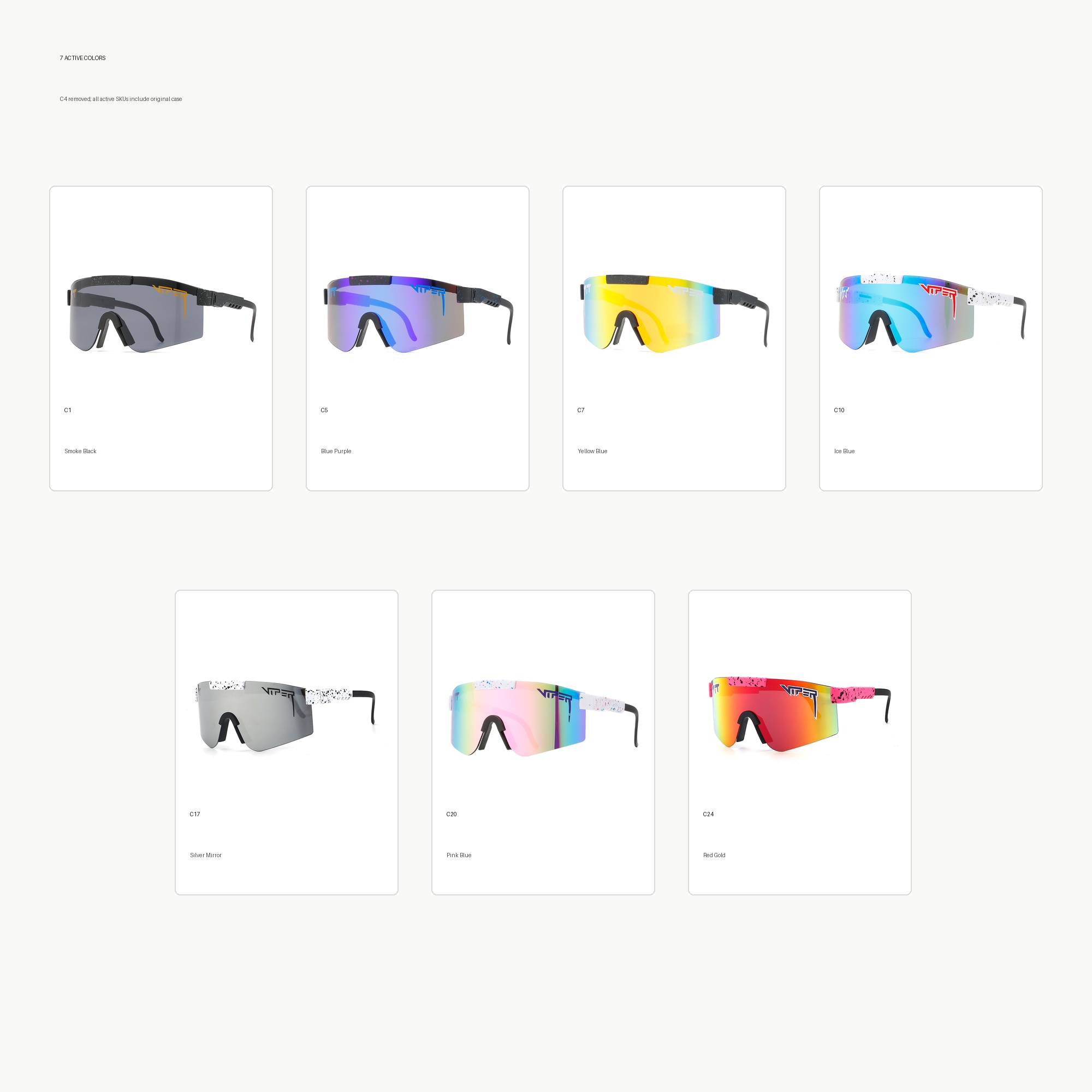
Key Features to Look For
Cycling glasses UV400: what it means
UV400 indicates the lens blocks ultraviolet rays up to 400 nanometres, covering UVA and UVB. A sensible baseline for daylight cycling glasses. The College of Optometrists is a useful UK anchor for why this matters.
Lens material: polycarbonate vs glass vs NXT
Polycarbonate dominates because it’s lightweight and impact-resistant. Glass offers clarity but weight rules it out for most riders. NXT/Trivex materials combine impact performance with excellent optics at a higher price.
Frame materials: TR90, Grilamid, nylon
Frames need to flex without snapping and survive temperature swings. TR90 and Grilamid are common “serious sport” choices. Look for engineered flex, not brittle “fashion plastic.”
Base curve: 6–8 for cycling
Base curve describes how dramatically the lens wraps your face. Cycling eyewear sits around 6–8 for coverage from side glare and wind without distortion.
Lens tints for UK conditions
| Category | Typical Tint | Best UK Use | Notes |
|---|---|---|---|
| 0 | Clear | Night rides, very dark winter afternoons | Impact/debris protection; pair with good lights |
| 1 | Yellow / amber | Overcast UK days, drizzle, flat winter light | Boosts contrast; some find it too warm |
| 2 | Rose / copper | Mixed conditions (most riding days) | Often the best single-lens compromise |
| 3 | Grey / brown (darker) | Bright summer, exposed climbs, coastal routes | Can feel dull on typical grey days |
| 4 | Very dark | Alpine glare, specialist use | Not suitable for UK road driving; overkill for typical riding |
Anti-fog coatings and ventilation
No coating beats physics forever. The goal is buying time—better vent placement, quality coatings, and a fit that lets airflow without wind making your eyes tear.
Nose pads and temple grip
Adjustable nose pads, grippy rubberised temples, and compatible helmet strap routing separate cheap from great. Sweat is the universal solvent.
Weight: ~25–35g
Sub-30g often feels “invisible” after an hour. Shields weigh more but spread load differently.
Field of vision
Great cycling sunglasses disappear: minimal frame intrusion and lenses that don’t warp the kerb line when you glance sideways. Always test with your actual helmet.
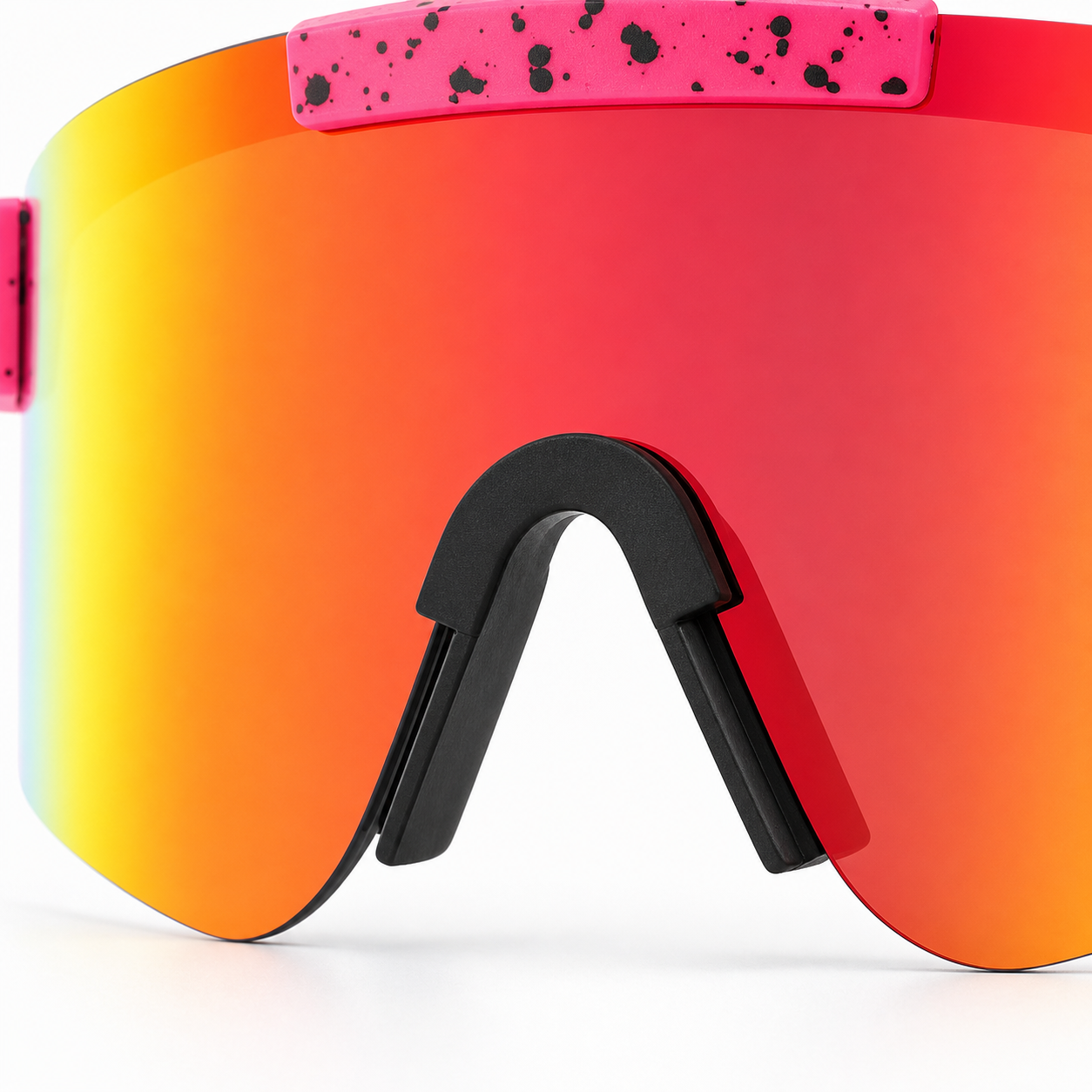
Best Cycling Sunglasses by Budget (UK Prices)
Under £20: where value can be real
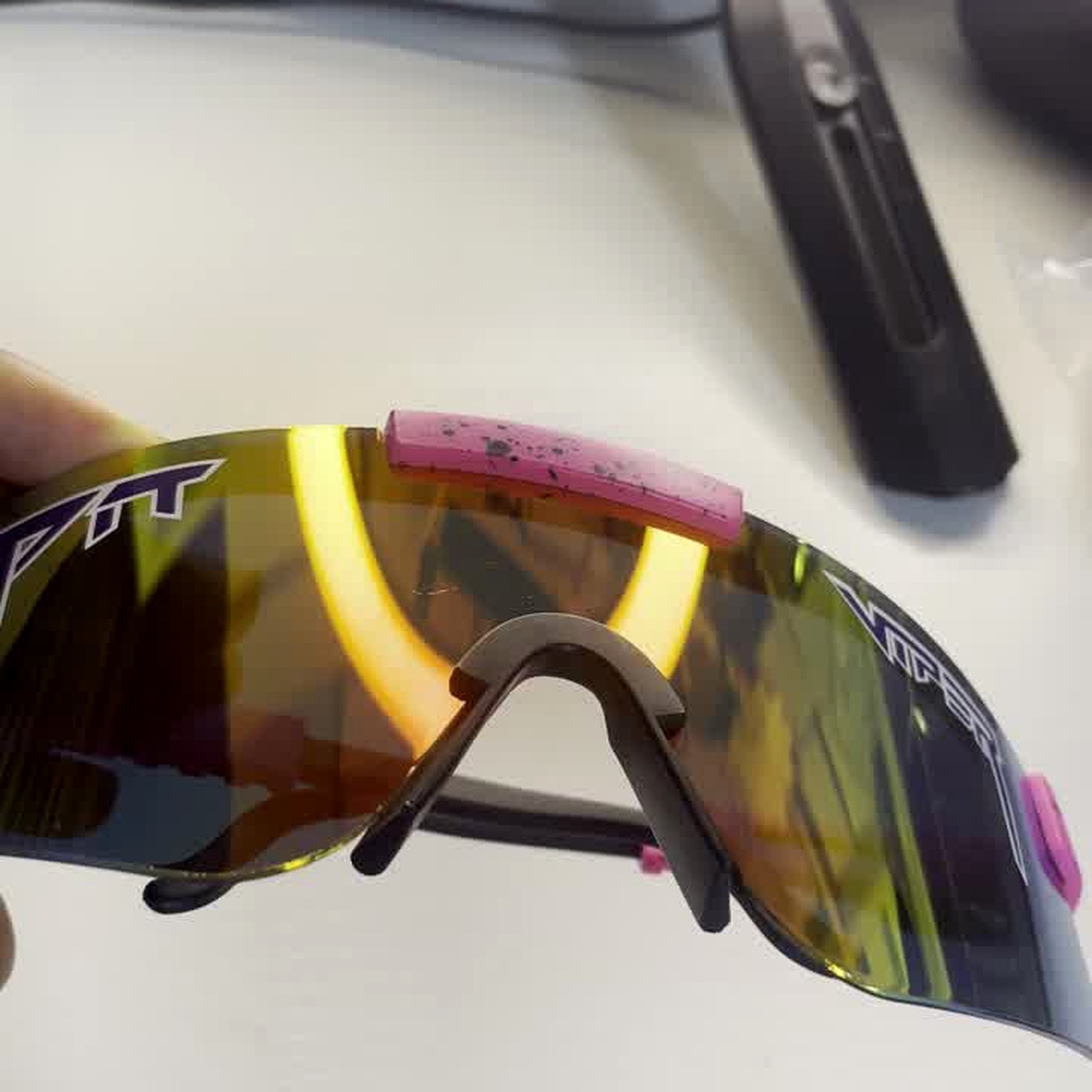
Editor’s Pick: VeloVisor AeroShield Pro — £15.31
Shield coverage without premium money. One-piece shield helps with wind and spray on damp winter spins. In UK backroad testing, I judge budget shields on edge distortion, helmet compatibility, and fog behaviour. AeroShield Pro is an excellent “always in the bag” pair for commutes and café spins.
Also worth knowing: ROCKBROS (surprisingly usable for short commutes), Eazyrun (spare pair you’re not afraid to scratch).
£20–£50: the “I ride a lot” upgrade
dhb (WiggleCRC): sensible sport frames, good pricing, interchangeable systems.
Madison: dependable UK name, strong on spare parts via shops.
Endura: Scottish DNA, weather-aware design language.
£50–£100: optical consistency
Julbo: strong outdoors pedigree; photochromic options for UK variability.
Tifosi: frequent “smart buy” in clubs; excellent interchangeable kits.
£100+: premium shields
Oakley Sutro: modern shield staple; bold coverage, premium pricing.
POC: Scandinavian safety-minded design; integrates with helmets.
100% Speedcraft: racing optics with huge field of view.
UK-Specific Considerations
British weather variability
The practical UK setup: (a) photochromic you trust, (b) interchangeable system you actually use, or (c) two complete pairs—clear and tinted.
Low winter sun
Sits lower, throws longer shadows, strobes through tree gaps. A contrast-friendly tint (Cat 1–2) stabilises what you see without blanketing the world in darkness.
Wet-road glare: why polarised helps
Wet tarmac polarises light; polarised cycling sunglasses calm shimmer on puddles and car windscreens. Trade-off: occasional interaction with LCD screens.
Country lanes and dappled tree light
Shaded corridors with bright pockets. Overly dark lenses punish you here. You want enough transmission to read potholes in shade.
Urban commuting: bright-to-shadow transitions
Underpasses, glass buildings, sudden shade beside buses. Photochromics or mid-category tints feel calmer than extremes.
How to Get the Right Fit
Face shape: functional rules
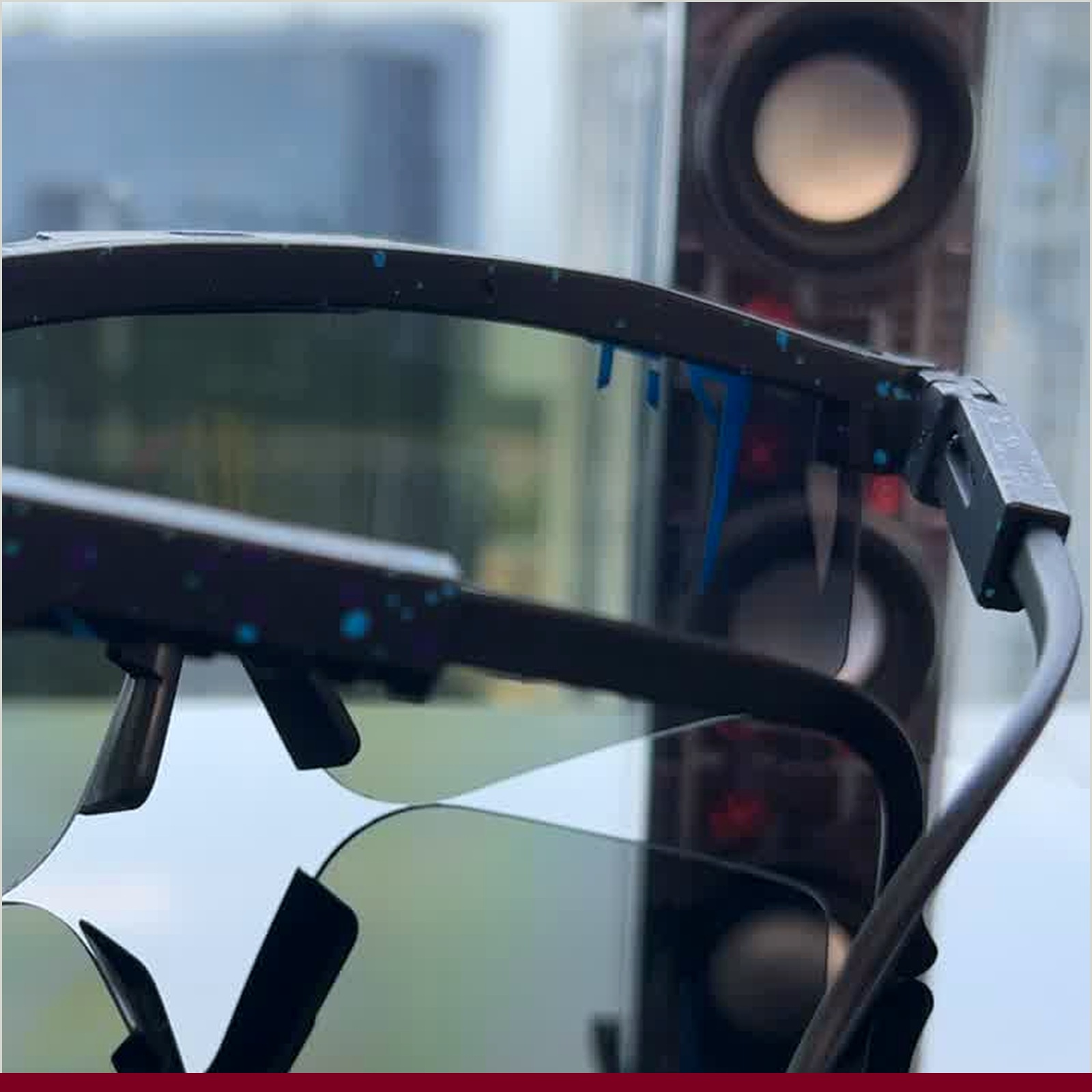
Rather than pseudoscience shape categories, use functional rules: cheek clearance when smiling, brow gap for ventilation, lens centre aligned with pupils. High cheekbones? Some shields contact too tightly. Narrow bridge? Prioritise adjustable nose pads.
Helmet compatibility is not optional
Bring your helmet when trying eyewear. Strap triangles, retention cradles, and brow pads change where frames sit.
Ventilation beats coatings
If you fog easily, favour designs that don’t seal against your face like goggles. Sometimes moving nose pads a notch solves more than any marketing claim.
Care and Maintenance
Cleaning: microfibre only (rinse grit first)
Polycarbonate scratches if you wipe across dust. Rinse first; pat dry; polish with clean microfibre.
Storage: hard cases for polycarbonate
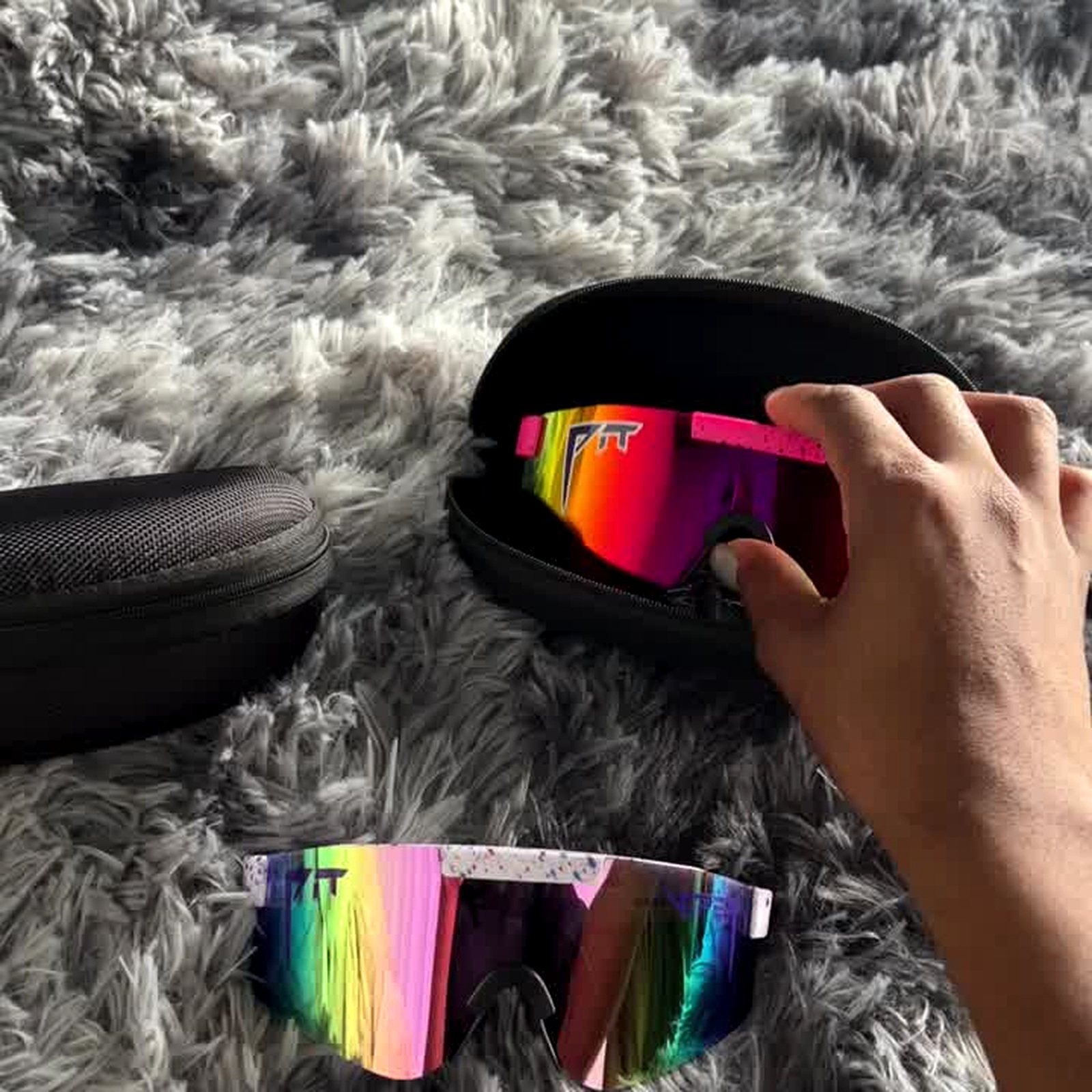
Bar-bag rattling is a lens death sentence. Especially important for interchangeable systems.
When to replace
When coatings visibly fail, scratches sit in your line of sight, arms go floppy, or after a big impact—even if the lens “looks fine.”
FAQ: Cycling Sunglasses & Cycling Glasses (UK)
Are cycling sunglasses worth it?
Yes—if you ride regularly in daylight. They reduce eye fatigue, shield against debris, and make variable British light less taxing. Night riders should use clear cycling glasses instead.
What colour lens is best for cycling in the UK?
For typical mixed conditions, Category 2 contrast tints (rose/copper) are often most versatile. Carry clear for dark commutes and darker Cat 3 for genuinely bright days.
Do I need polarised cycling glasses?
Not mandatory, but often helpful on wet roads. If you rely on certain head-unit screens, test polarisation quickly.
Can I wear cycling sunglasses with a helmet?
Yes—sport eyewear is designed around helmets. Adjust straps and temple arms so pressure isn’t concentrated.
What’s the difference between cycling glasses and normal sunglasses?
Cycling glasses offer better wrap coverage, impact-oriented materials, secure grip when sweating, and designs tuned for peripheral vision while bent over on a bike.
Are cheap cycling sunglasses safe?
They can be—if optics are acceptable, impact resistance is credible, and cycling glasses UV400 protection is real. Avoid anything that distorts straight lines.
How do I stop my cycling glasses fogging up?
Improve airflow (brow gap, nose pad position), avoid sealing lens against cheeks, ride with clean lenses, choose vented designs.
Should I get photochromic cycling glasses?
If you hate swapping lenses and ride through changing conditions—common in the UK—photochromics can be ideal. If you demand instant transitions, fixed tints may feel simpler.
Is UV400 enough for cycling?
For most riders’ daylight needs, UV400 is the standard expectation. Pair with appropriate tint; darkness doesn’t automatically mean better UV protection.
Conclusion: The Definitive Buying Checklist
Buy for UK variability, verify cycling glasses UV400 credibly, prioritise fit with your helmet, choose tints for contrast on grey-bright days rather than maximum darkness, and maintain lenses with rinse-first cleaning and a hard case.
My recommendation for budget-conscious UK riders who want shield coverage: start with VeloVisor AeroShield Pro, then spend more only once you know exactly what fit and lens behaviour your face and routes demand.
Continue with best cheap cycling sunglasses UK and Pit Viper alternatives UK for specific product recommendations.