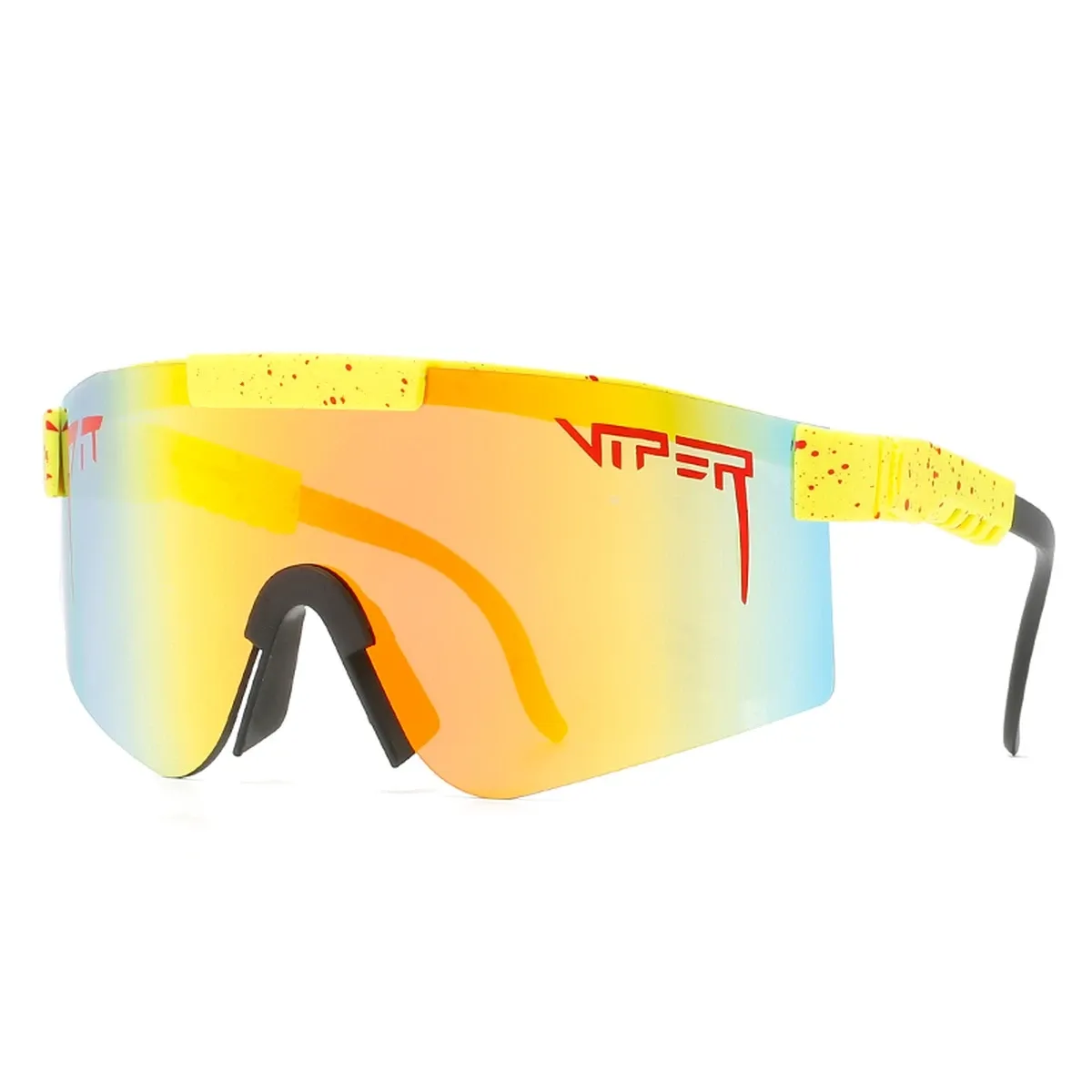
Best Running Sunglasses UK 2026: Lightweight Picks That Won’t Bounce
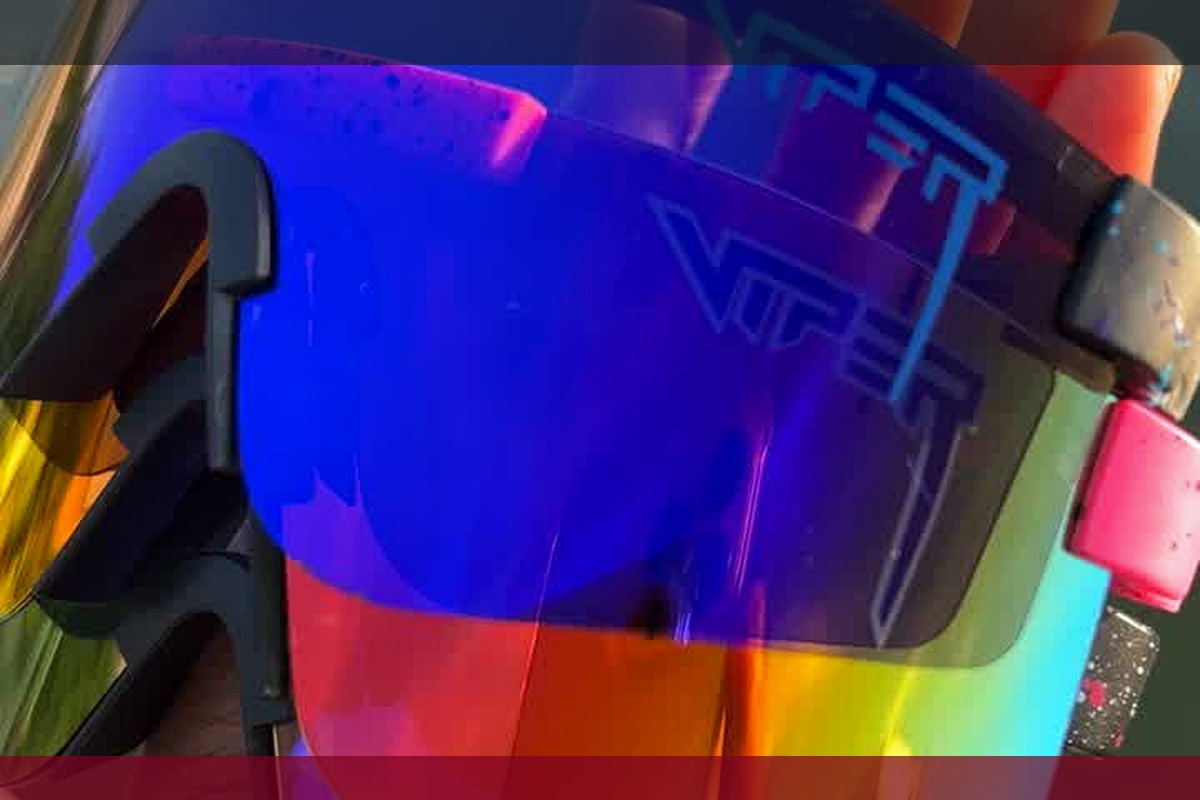
TL;DR: Quick Picks for UK Runners
- Best overall: VeloVisor AeroShield Pro (£15.31). About 28g, secure fit, polarised lenses, 8 colours including clear for evening runs.
- Best budget: ROCKBROS Photochromic Sports Glasses (~£16, Amazon). Strong contender for best cheap running sunglasses in variable UK weather.
- Best for women (fit-led): Cateye Running Sunglasses Women (~£20, Amazon). Helpful when unisex wraps feel too wide or slip on a narrower bridge.
Cross-shopping? Our cycling sunglasses guide explains shared geometry—many “bike” frames work brilliantly for running.
Why Running Sunglasses Are Different
People searching sunglasses to run are usually looking for a simple promise: keep sun and glare out, stay comfortable, don’t be annoying. Running exposes why “annoying” is a technical failure mode.
Bounce and slip during impact
Even efficient runners generate vertical oscillation. On a tired day, your form gets noisier, and loose eyewear turns into a metronome tapping your nose. Rubberised contact points aren’t glamour features—they’re friction engineering.
Light weight matters
I aim around 25–30g total weight for longer sessions. Above that band, I start noticing hot spots on the nose bridge or behind the ears.
Ventilation and UK humidity
British running is often damp air rather than desert sun. Fogging shows up when you stop, duck under tree lines, or when drizzle makes every surface clingy.
Wider field of vision
UK paths are chaotic: roots, curbs, cyclists, dogs on extendable leads. Wraparound coverage reduces side glare and wind-driven watering.
UV protection during extended exposure
The NHS sun safety guidance is a useful anchor for taking UV seriously. I treat UV400 labeling as a baseline gate.
What to Look for in Running Sunglasses
Weight: 25–30g sweet spot
Use weight as a quick filter, then validate fit. A 26g frame that pinches is worse than a 29g frame that balances.
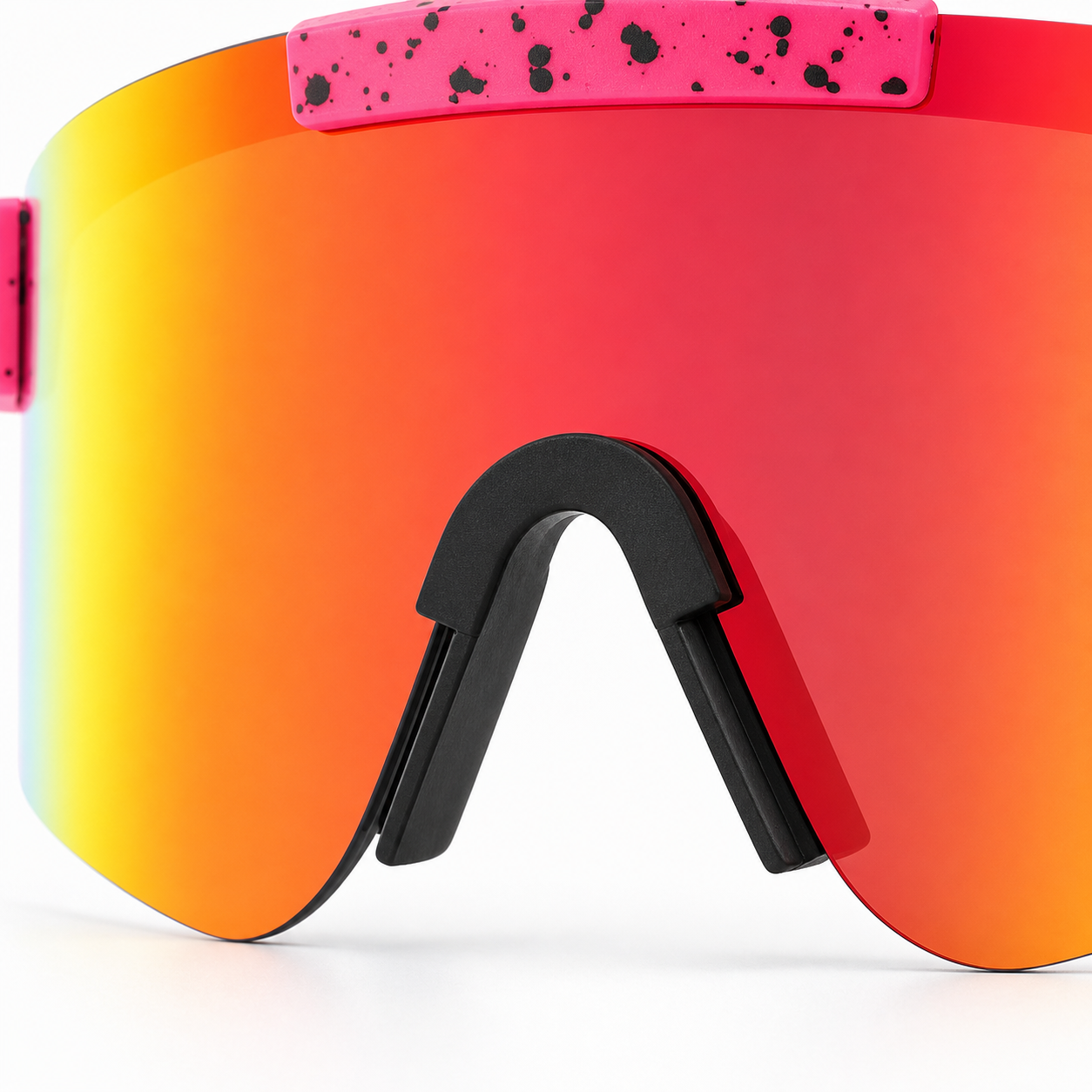
Non-slip nose pads and temple tips
Put sunglasses on, set a steady pace in place, nod hard for ten seconds. If they migrate immediately, they’ll migrate worse at kilometre eight.
Ventilation and anti-fog
Vents matter for UK runners more than expected. Anti-fog coatings help, but geometry usually matters more than buzzwords.
UV400 protection
Confirm on the specific SKU you’re buying, not just the brand hero image.
Wraparound coverage
Wrap helps wind, drizzle, and side glare. Too extreme can feel visually odd—trial on an easy run first.
Secure fit across face shapes
“Unisex” can be a fuzzy lie. Adjustable nose pads can rescue an otherwise good frame.
Outside articles on outlets like Runner’s World reinforce what I see in testing: the gear you don’t notice is the gear you actually use.
Top 5 Running Sunglasses UK 2026
1) VeloVisor AeroShield Pro — £15.31
Marketed toward cycling. Reality: genuinely strong for running.
- Weight: ~28g, right where I want it for hour-plus efforts.
- Fit: Secure enough that I’m not adjusting mid-bridge every acceleration.
- Polarised lenses: Genuinely helpful on bright wet roads.
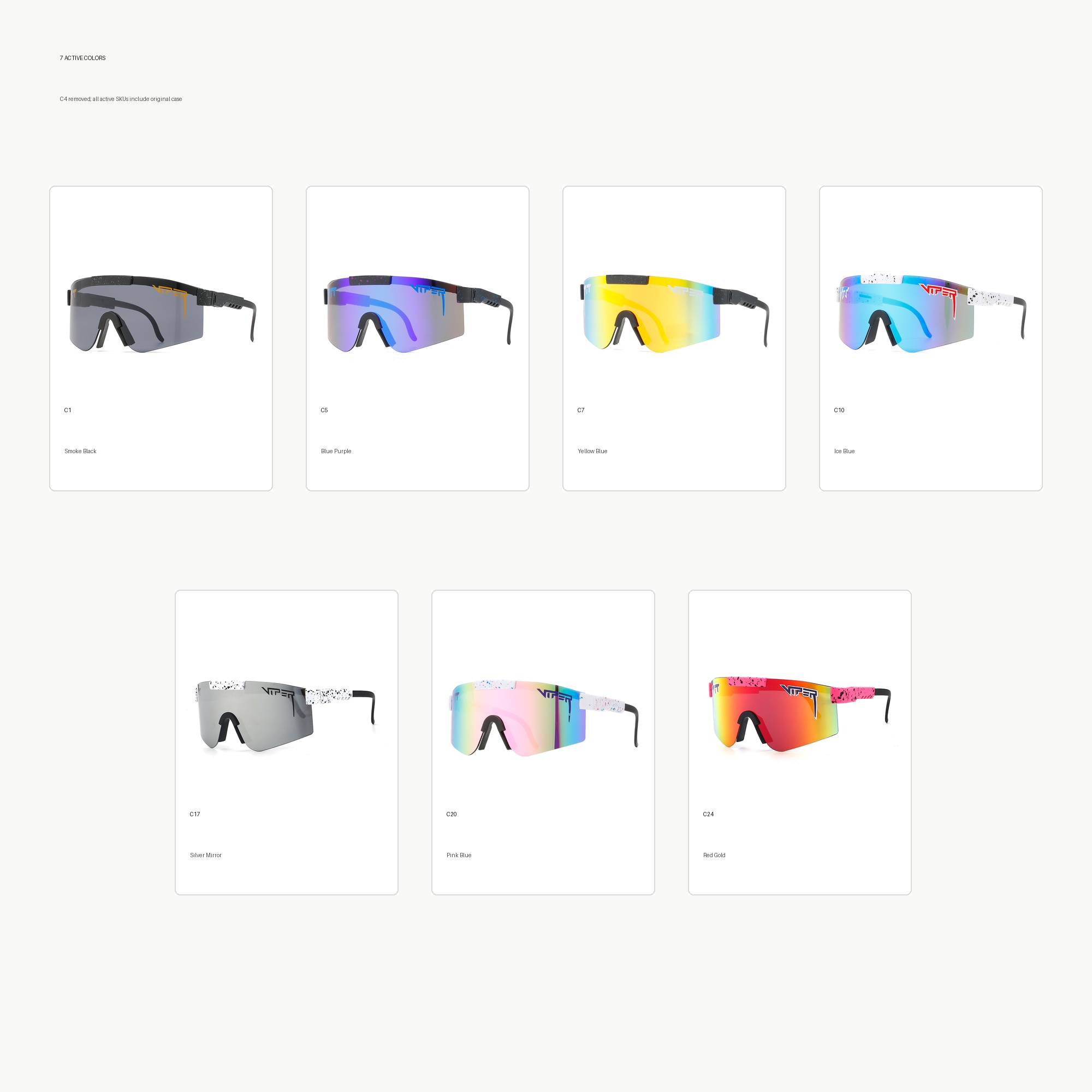
- Colour range: 8 options including clear for low-light evening safety runs.
Deep-dive: AeroShield Pro product page.
2) Goodr OG Running Sunglasses — ~£30
The running-native choice: built around no-bounce and no-slip promises. Approachable brand voice for social runs and park mornings. Verify polarisation on exact model.
3) ROCKBROS Photochromic Sports Glasses — ~£16 (Amazon)
Photochromic tinting is a pragmatic cheat code for variable British light. One of the better best cheap running sunglasses solutions.
4) Cateye Running Sunglasses Women — ~£20 (Amazon)
Exists because “smaller” and “different shape” are real needs. Direct answer to sunglasses for running for women.
5) Oakley Encoder — ~£150
Premium benchmark: tighter overall package, materials feel, and finishing that matters for multi-season longevity.
Comparison Table
| Brand | Price | Weight | Polarised | Best For | Rating /10 |
|---|---|---|---|---|---|
| VeloVisor AeroShield Pro | £15.31 | ~28g | Yes | Overall value, secure fit, clear lens option | 9 |
| Goodr OG | ~£30 | Varies | Often not—check SKU | Running-specific culture; social runs | 8.5 |
| ROCKBROS Photochromic | ~£16 | Listing-dependent | SKU-dependent | Budget variable conditions | 8 |
| Cateye Running (Women) | ~£20 | Listing-dependent | SKU-dependent | Smaller/narrower bridge needs | 7.5 |
| Oakley Encoder | ~£150 | Premium lightweight | Often—confirm SKU | Premium long-term benchmark | 9 |
Best Running Sunglasses for Women
The phrase sunglasses for running for women clusters around two truths: average dimensions differ, and “unisex” sometimes means “designed around a male head median, with pink options.”
Smaller frames and proportion
A too-tall lens collides with cheeks when you grin or breathe hard. A smaller vertical chassis reduces that interference.
Nose bridge fit is the hidden spec
If the bridge is wrong, you’ll crank temples tighter, which feels secure for thirty seconds and painful after thirty minutes. Adjustable nose pads spread pressure and tune lens height.
Why VeloVisor works for women too
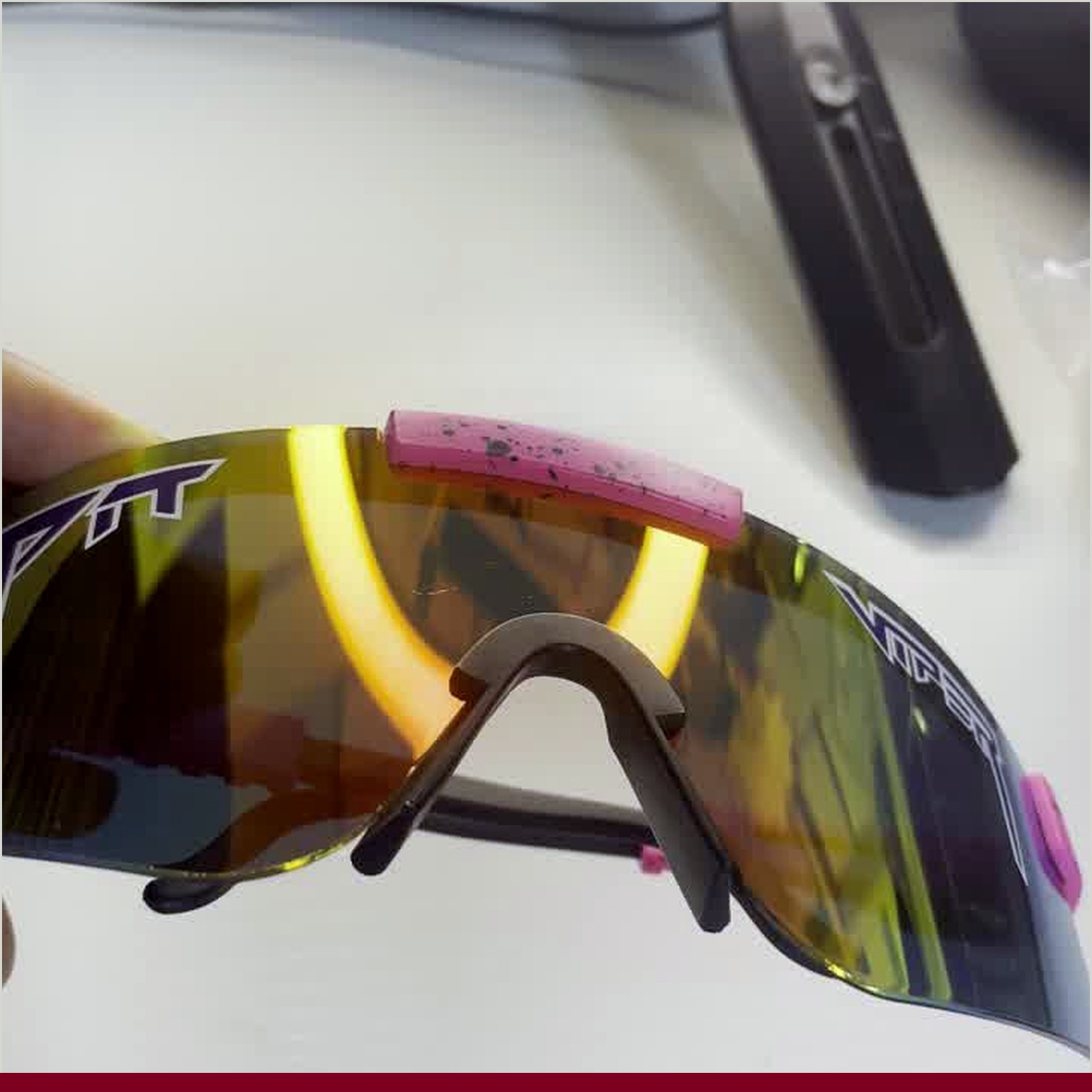
The AeroShield Pro’s adjustable nose pads are a practical reason it performs above its price for a wide range of face shapes. Cycling branding aside, the frame behaviour on a runner’s face is what matters.
Colour choices for real UK runs
- Clear: Winter evening miles, club nights under streetlights.
- Smoke / grey: Classic bright-day option for open paths and summer parkrun mornings.
- Mild contrast tints: For flat grey UK afternoons.
Running in UK Weather: Lens Guide
- Grey / smoke: Best for genuinely bright summer sessions and high-glare pavement.
- Yellow / amber: Helpful on overcast training runs for a subjective “lift” in flat light.
- Clear: Underrated for winter evening runs—protection from wind-blown grit without pretending the world is brighter.
- Photochromic: The pragmatic UK default when you leave in grey and return in golden hour.
Budget vs Premium: Do You Need to Spend £150?
No—unless your priorities demand what premium tiers improve: consistent manufacturing, lens clarity, refined ergonomics. Plenty of runners will be happy in the £15–£30 band if fit is right.
The Oakley Encoder earns mention as a benchmark, not a mandate. If you’re new, start cheaper, log more miles, and upgrade once you know your face shape quirks.
FAQ
Do sunglasses stay on when running?
They do if the fit system is right: grippy nose pads, grippy temple tips, reasonable weight, and a shape matching your bridge and cheek clearance. Start with sports-oriented designs and do the head-nod test.
Are polarised sunglasses good for running?
Often yes on roads and reflective surfaces. Polarisation reduces harsh glare from wet tarmac. Some runners dislike how it interacts with depth cues—use on an easy run first.
What weight should running sunglasses be?
Around 25–30g as a practical heuristic for comfort over longer sessions. Balance matters as much as grams.
Can I use cycling sunglasses for running?
Usually yes, if coverage and fit work. Cycling brands optimise ventilation, grip, and wrap—features runners benefit from. The AeroShield Pro is my transparent example. See the cycling sunglasses guide for broader context.
Best running sunglasses for small faces?
Start with narrower frames, shorter temples, adjustable nose pads, and styles designed for smaller proportions. The Cateye Running pick is a workable budget path; adjustable-pad models like AeroShield Pro can rescue “almost fits” on small bridges.
Conclusion: Buy for Fit First, Tint Second, Brand Story Last
If you’re building a consistent outdoor habit—especially something communal like parkrun—eye comfort is part of sustainability. The best pair is the one you don’t touch mid-run: stable, light enough, UV serious, and matched to UK’s variable light.
If you want one crossover purchase that punches above its price, start with the VeloVisor AeroShield Pro—honest about the cycling roots, honest about the running wins. Then cross-check fit rules in the UK cycling sunglasses buyer’s guide.